
Partner With Us - Current Themes
Environmentally-friendly material realized with biomass resin and lightweight filler
Thermal interface material
Inquiries for this topic are currently closed.
Recommended for:
- Companies experiencing issues with silicone resin when using heat-dissipating sheets
- Companies aiming to develop more lightweight products such as cameras, electronic components, and automotive components
- Manufacturers of resin materials who can provide their cooperation in the production of the "thermal interface material" and the resin used in it
- Companies looking for more environmentally conscious thermal interface material
About the “thermal interface material” from Murata Manufacturing
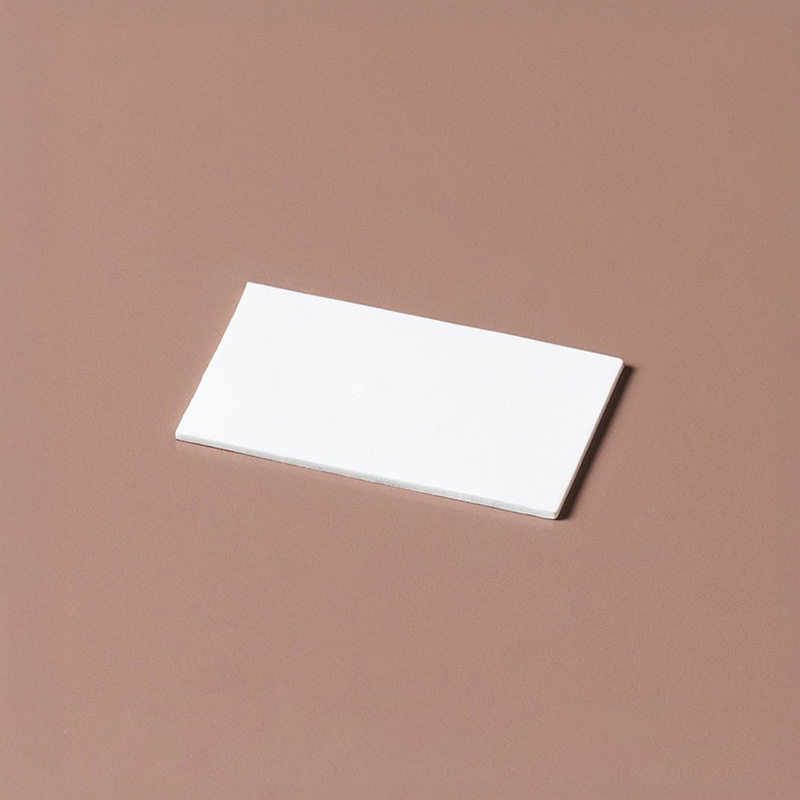
Typical insulation-type thermal interface material presently in use are made of two materials: alumina (aluminum oxide) and silicone resin. The ratio is 80% alumina to 20% silicone. The “thermal interface material” developed by Murata Manufacturing replaces alumina with a lightweight material and also replaces the silicone resin with biomass. This results in a thermal interface material that is both more lightweight and environmentally friendly.
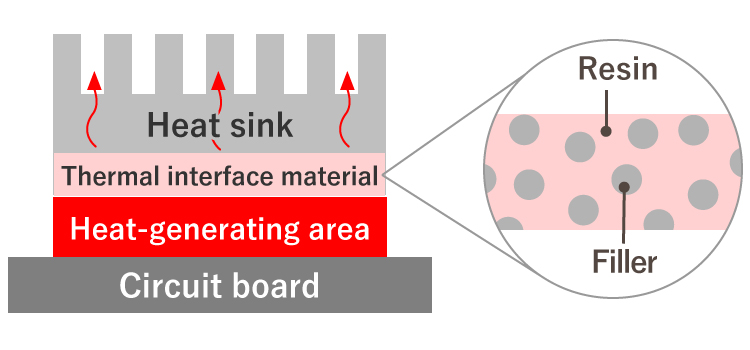
Note: Two types are available to provide optimal performance in a variety of locations.
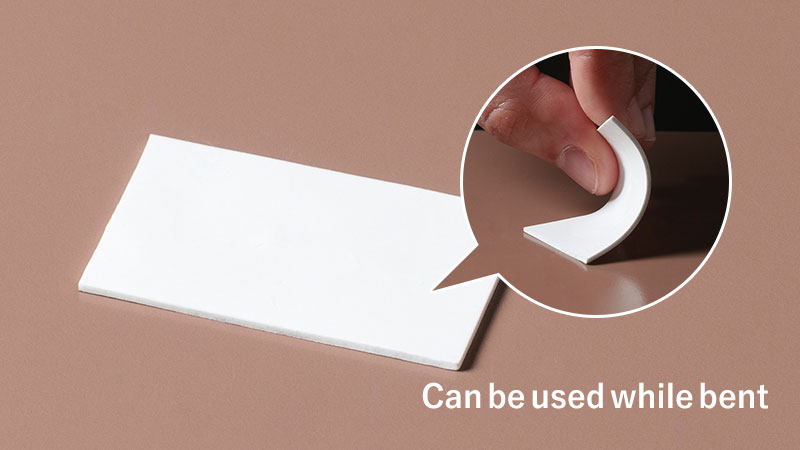
The sheet type is suitable for use in cases where the layout of the board surface or heat sink is not complex. It is a soft material even when solidified into a sheet shape. Therefore, it can be used while bent.
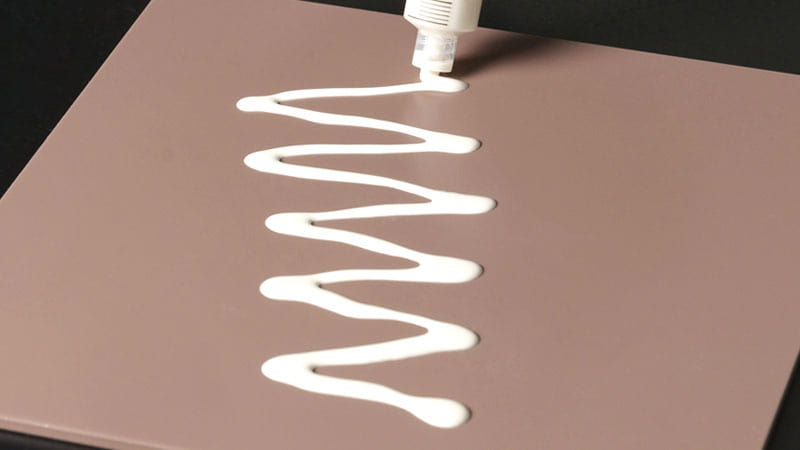
The paste type is flowable and suitable for locations with a complex layout or for filling in gaps left by the sheet type.
Features of the “thermal interface material” from Murata Manufacturing
Improvements for issues caused by silicone resin
Thermal interface material employing silicone resin can generate siloxane gas due to temperature changes in the usage environment. Moreover, swelling due to heat can give rise to a phenomenon known as “pump out,” in which the resin seeps out. The siloxane gas may cause contact failure in electronic circuits. In addition, "pump out" causes a reduction in the heat transfer performance. Accordingly, both were major issues.The “thermal interface material” from Murata Manufacturing uses biomass resin in place of silicone resin, so it generates no siloxane gas and reduces the possibility of pump out.

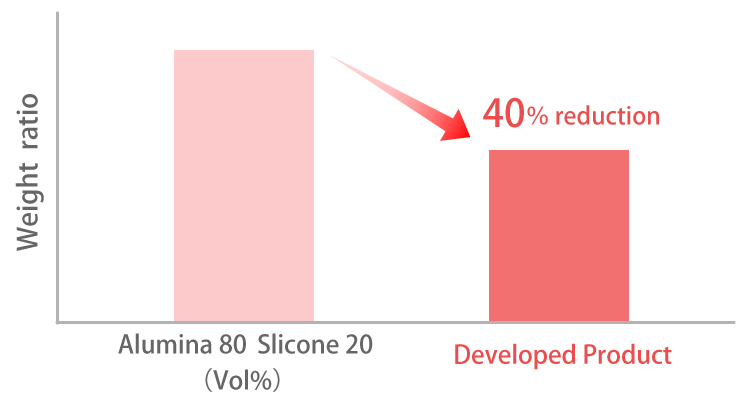
Approximately 40% reduction in weight compared with conventional thermal interface material
Conventional thermal interface material contain about 80% alumina (aluminum oxide), which has the ability to transfer heat. The “thermal interface material” from Murata Manufacturing replaces the alumina with a different, more lightweight material, resulting in a weight reduction of about 40% overall. When incorporated into electronic components and the like, this weight reduction is likely to contribute to a reduction in energy consumption.
Environmentally friendly “thermal interface material”
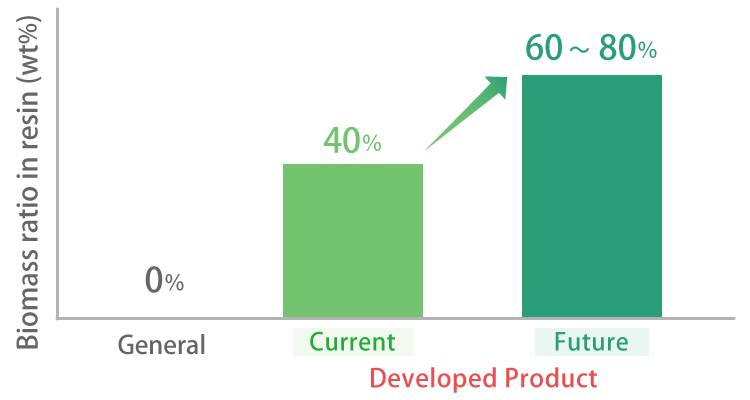
One problem with the silicone resin used in conventional thermal interface material is that, when it is incinerated as part of the trash disposal process, it generates an amount of CO2 equivalent to approximately two times its original volume. However, the resin used in place of silicon in the “thermal interface material” from Murata Manufacturing contains a high percentage of biomass, and this helps reduce the burden on the environment. Also, when silicone resin is incinerated, it fuses with the alumina filler (powder), making it impossible to extract just the filler afterwards. However, the new resin containing the biomass material can be completely separated out at a certain temperature. This makes it possible to extract just the filler and improves recyclability.
Aiming for an insulation-type material with higher thermal conductivity
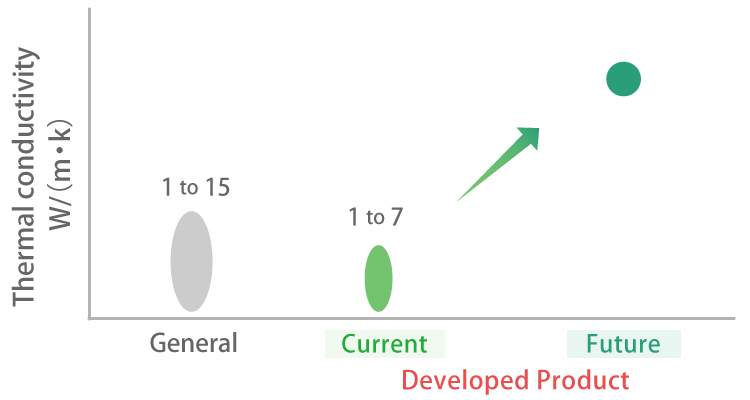
The thermal conductivity of conventional insulation type heat dissipating materials ranges from 1 to 15 W/(m・K), and that of the most widely used materials ranges from 3 to 6 W/(m・K). The “thermal interface material” from Murata Manufacturing already provides a thermal conductivity of 7 W/(m・K). Moving forward, we hope to achieve even higher thermal conductivity in our insulation-type materials.
Use cases for the “thermal interface material” from Murata Manufacturing
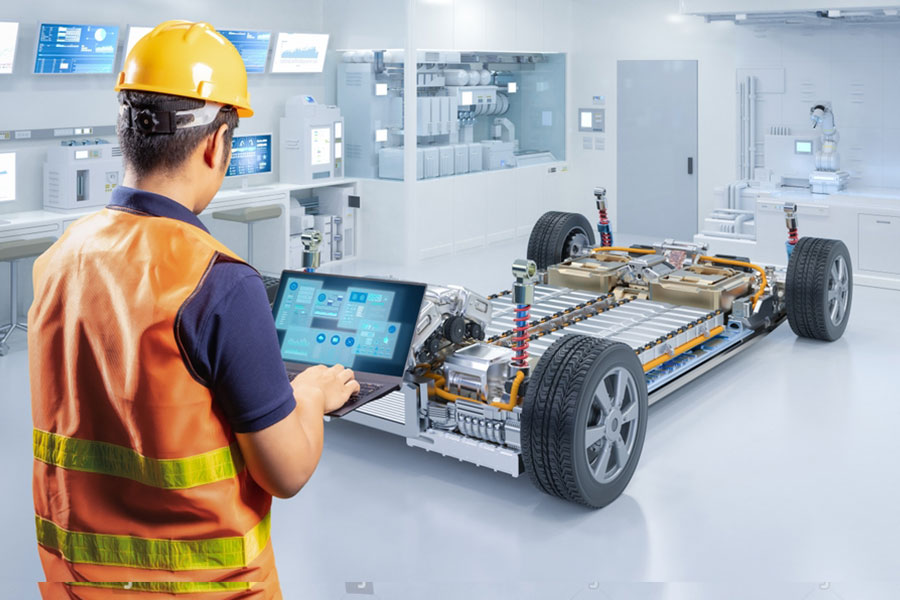
As a material used in electronic components, we expect the main application for the new thermal interface material to be in electronic products such as personal computers, game consoles, automotive components, and electric home appliances. For example, since making products that users carry around with them such as cameras “even one gram lighter” is a common goal, this lightweight thermal interface material will be an effective choice. We also expect it to be used in automotive components, such as vehicle cameras and water-cooled batteries. In addition to the above, we anticipate the new thermal interface material to be very effective in areas where large numbers of devices operate under heavy loads, such as communication base stations or data centers. This is why Murata is seeking partners eager to create and pursue new value, including new usage areas.


We are currently not accepting inquiries for this theme.
Message from the developers


-
Murata Manufacturing Co., Ltd.
Material Process Development Dept. Material Technology Center Technology & Business Development Unit
Hideyasu Onishi
Hitomi Kozawa
Asa Takahashi
Technology & Business Development Unit Materials Technology Center New Materials & Process Development Dept.
Tomohiro Ikeda - The development of the material began with the concept of “using biomass material to contribute to the improvement of the global environment.” Starting from this basis, the aims were to replace silicone resin, which is derived from petroleum, with a resin based on biomass materials to reduce the weight by making enhancements to the filler. However, a detailed investigation of market conditions revealed that biomass materials still lack recognition as a means of providing added value. So we decided to devote more study to the challenge of providing added value from materials. During this process, we discovered that there are number of quality issues associated with silicone resin, and we then proceeded with our R&D efforts based on a new concept of solving these issues through the use of biomass resin. This gave us confidence that the thermal interface material we were developing would provide additional benefits. We will be delighted if our efforts prove useful to our customers and partners.

Inquiries
Murata is seeking collaboration partners who share our aspirations and vision, and with whom we can build long-term partnerships with the aim of creating social value that enriches people's lives. Please contact us if you are interested in collaborating with Murata.